Sustainable Driveway Solutions for Better Stormwater Management
July 27, 2026
Managing urban stormwater has rapidly become one of the most pressing environmental and structural challenges for modern homeowners, as traditional impervious surfaces contribute significantly to local flooding, soil erosion, and severe water pollution. When heavy rainfall hits a standard asphalt or concrete surface, the water cannot penetrate the ground, forcing it to rush into municipal sewer systems while carrying harmful chemical pollutants, heavy metals, and automotive fluids directly into local freshwater ecosystems. To combat this growing environmental crisis, forward-thinking property owners are turning to eco-friendly infrastructure alternatives that harmonize with natural hydrological cycles rather than disrupting them. By opting for permeable, low-impact development designs, you can transform a purely utilitarian feature of your property into an active, high-performing participant in environmental conservation. However, navigating these advanced green options and ensuring proper subsurface preparation requires specialized engineering expertise, which is why partnering with a professional driveway contractor is the essential first step toward achieving a structurally sound, long-lasting, and ecologically responsible result.
Evaluating Permeable Interlocking Concrete Pavers
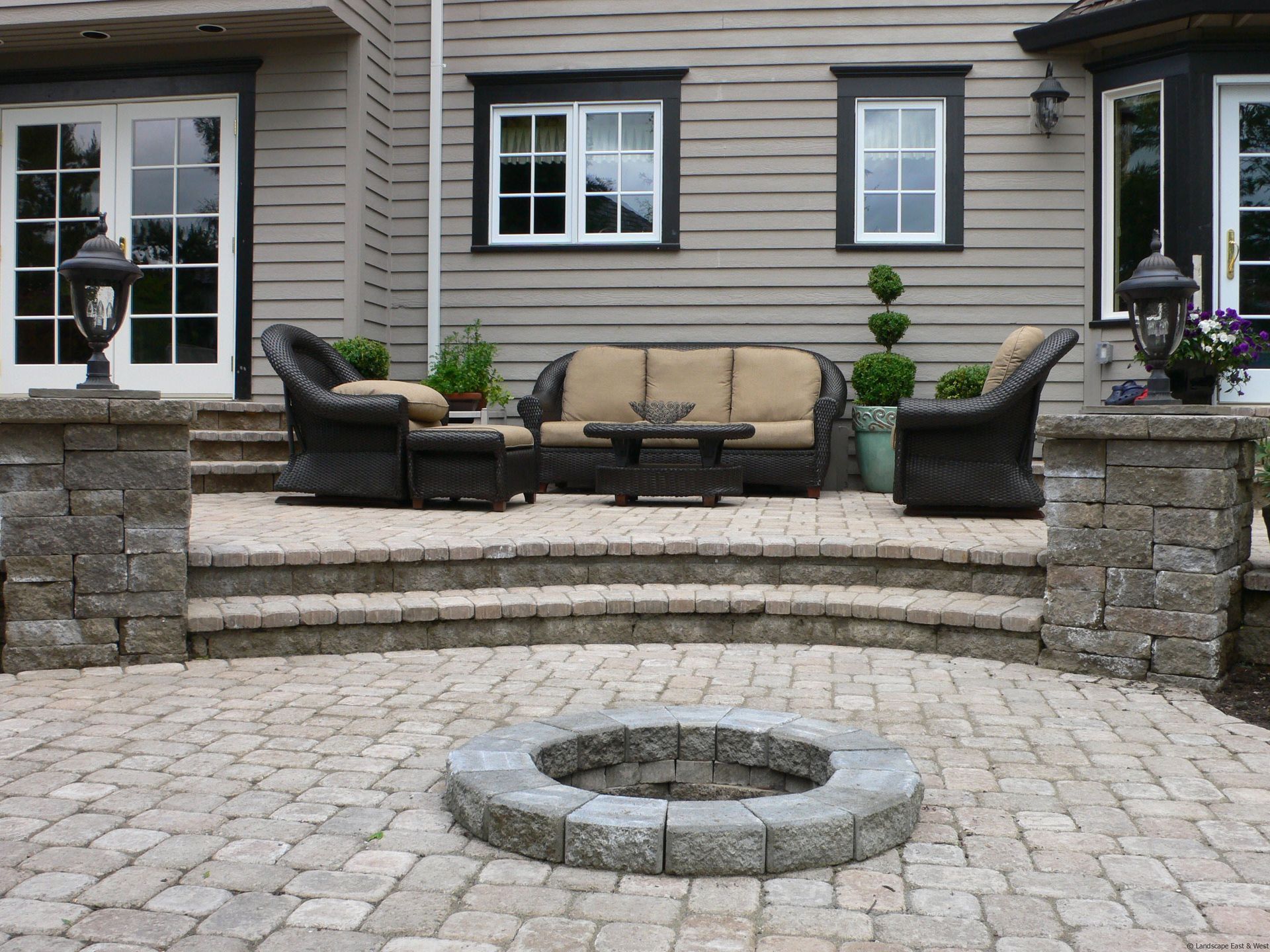
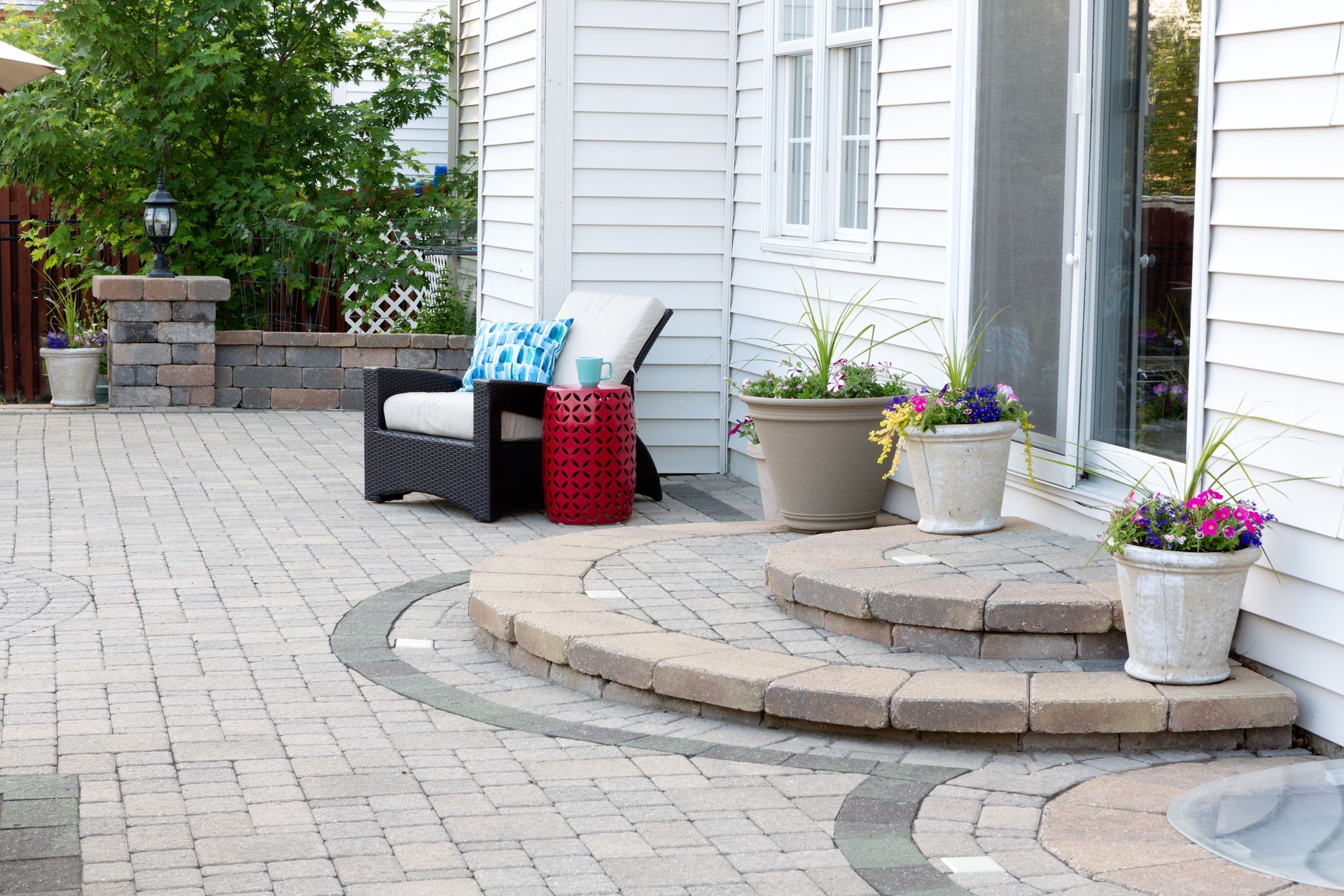
Permeable interlocking concrete pavers represent one of the most durable, customizable, and visually striking choices for sustainable residential water management. These sophisticated systems consist of solid, high-strength concrete blocks arranged in a geometric pattern, but unlike traditional installations, the joints between the individual pavers are filled with small, clean-washed crushed stone aggregate rather than standard sand or impermeable mortar. This deliberate structural design allows heavy rainfall to instantly drain through the gaps, entirely eliminating surface pooling and preventing dangerous sheets of ice from forming during cold winter months. Once the water passes through the surface joints, it enters a specially engineered sub-base consisting of multiple layers of open-graded stone aggregates that act as a temporary retention reservoir. This subsurface layer filters out heavy sediment and particulate matter before the moisture slowly and naturally infiltrates back into the native soil beneath. Furthermore, homeowners can choose from a wide array of textures, shapes, and rich earth-toned colors to perfectly complement their home's architectural style while enhancing environmental health. Because these pavers are modular and flexible, they naturally resist cracking from soil movement, heavy vehicular loads, or extreme freeze-thaw cycles, offering an impressive operational lifespan that frequently exceeds thirty years. Achieving the precise excavation depth, slope grading, and multi-tiered aggregate compaction necessary for these systems to function optimally over the long term demands a certified driveway contractor who thoroughly understands regional soil composition and specific hydrologic demands.
Implementing Porous Asphalt and Pervious Concrete
Implementing porous asphalt or pervious concrete provides a seamless, monolithic appearance while maintaining exceptional fluid transmission capabilities across the entire footprint of the installation. Conventional concrete and asphalt mixtures are intentionally packed with fine sands and mineral fillers that completely choke off any internal void space, resulting in a completely solid sheet that rejects water. In contrast, their pervious and porous counterparts deliberately omit these fine aggregates during the mixing process, leaving behind an interconnected network of microscopic open pores that allow water to flow through like a sieve. According to reports from the U.S. Environmental Protection Agency, permeable pavement systems can decrease stormwater runoff by 45% to 80%, helping manage drainage and minimize severe flooding risks across residential zones when installed by qualified driveway contractors. This impressive statistic underscores the tangible, verified ecological benefits that these advanced material formulations bring to modern residential engineering and neighborhood flood prevention. However, working with these highly specialized porous mixtures requires rapid placement, precise temperature controls, and meticulous curing techniques that differ substantially from conventional construction methods. Homeowners should always consult a seasoned driveway contractor who possesses the specialized volumetric mixing equipment and advanced material handling expertise required for porous applications to ensure the surface does not prematurely fail or lose its permeability.
Utilizing Grid Systems with Gravel or Grass Fillers
Utilizing rigid grid systems filled with either decorative gravel or living turf offers a highly budget-friendly, customizable, and hyper-permeable approach to residential stormwater mitigation. Typically constructed from recycled high-density polyethylene or durable concrete matrices, these interlocking cell structures provide the structural load-bearing capacity needed to support heavy passenger vehicles and delivery trucks while keeping the filler material firmly contained. When filled with angular, clean-washed stone, the grid effectively prevents the gravel from shifting, rutting, or dispersing over time, maintaining a perfectly level, low-maintenance driving surface with near-infinite water permeability. Alternatively, filling the open cells with nutrient-rich topsoil and drought-tolerant turf grass creates a stunning green driveway that blends seamlessly with your front lawn, maximizes natural carbon sequestration, and noticeably reduces urban heat island effects around your home. Property owners frequently appreciate how this solution maintains a rustic, organic charm while providing a completely stable foundation that never shifts under intense usage. Both of these unique configurations ensure that nearly one hundred percent of standard localized rainfall events are absorbed directly into the earth where they land, completely eliminating dangerous surface runoff and protecting your landscaping from erosion. Because stabilizing the underlying soil substrate is paramount to stop the plastic or concrete grid from warping, shifting, or sinking under heavy vehicular weight, hiring an expert driveway contractor is highly recommended to manage the comprehensive installation process.
Adopting Rain Gardens and Bioswales Alongside Surfaces
Adopting complementary landscaping features like dedicated rain gardens and engineered bioswales along the perimeter of your parking area can dramatically amplify your property's total water absorption capacity. Even when using highly sustainable paving materials, extreme weather anomalies and historic downpours can occasionally saturate the primary sub-base, making secondary vegetative catchment zones an incredibly smart and resilient safety measure. Rain gardens are shallow, intentional land depressions planted with deep-rooted native perennials, sedges, and shrubs that thrive in fluctuating moisture conditions, acting as natural biological sponges for any excess surface overflow. Bioswales function in a very similar manner but are designed as linear, gently sloped channels that slow down and convey excess water away from structural foundations while naturally filtering out contaminants through plant biomass and soil microbes. These integrated green features also provide essential micro-habitats for local pollinators and birds, adding ecological value beyond mere water control. Integrating these living infrastructure elements into your property layout requires a holistic understanding of slope, typography, and surface water flow paths across your entire parcel. A professional driveway contractor can design a comprehensive site layout where the exact pitch and angle of the hardscape perfectly direct overflow toward these beautiful, functional green zones. By collaborating with a strategic driveway contractor, you can create a completely closed-loop drainage ecosystem that safeguards your home’s structural foundation while actively restoring the health of the local watershed.
Transitioning to sustainable residential infrastructure is a powerful, long-term way for homeowners to mitigate environmental degradation, prevent localized property flooding, and significantly enhance overall property longevity. By selecting advanced permeable materials and integrating natural vegetative drainage systems, you directly reduce the heavy burden on overtaxed municipal stormwater networks while creating a stunning, modern aesthetic that boosts curb appeal. Ultimately, the long-term success, structural stability, and pollutant-filtering efficiency of these eco-conscious installations rely entirely on precision engineering and experienced professional execution. Partnering with a dedicated
driveway contractor ensures that your green investment is properly graded, structurally sound, and built to withstand decades of heavy daily vehicular use. At M & M Concrete Designs, we specialize in crafting beautiful, high-performance, eco-friendly surfaces tailored to your property's landscape. We invite you to contact us today to schedule a personalized consultation and take the first step toward a greener home. Let our team transform your property into a model of modern sustainability and lasting durability.